

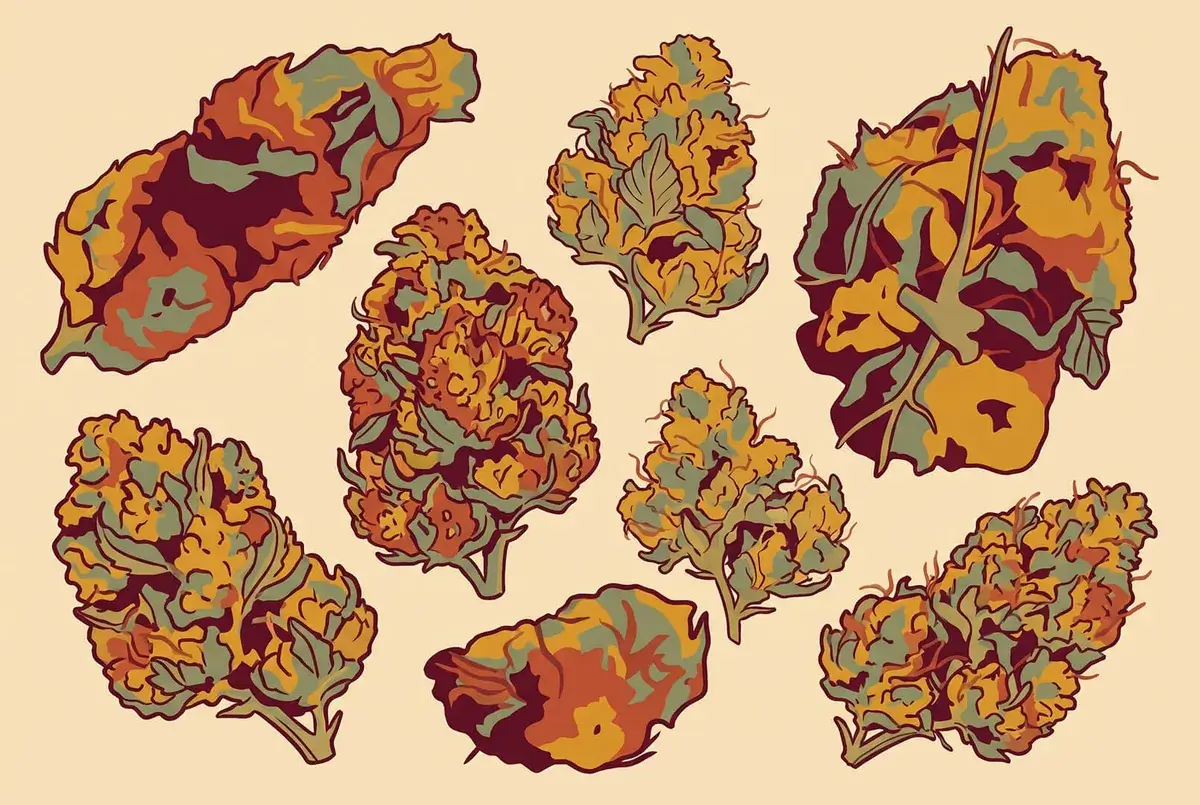
Weed grades in Canada run on a letter scale — A, AA, AAA, AAAA — with LSO sitting off to one side as something different again. Nobody regulates it. No lab certifies it. It’s a trade shorthand that shops use to sort a shelf, and once you know what each rung is describing, it stops being marketing noise and starts being useful.
This guide covers what the letters actually report on, what you can see with your own eyes, what LSO means, and how to pick a rung that matches how you smoke.
What the letters are grading
Not strength. That’s the first thing to unlearn. A high-letter jar and a low-letter jar can land within a few points of each other on THC.
The grade reports on craft. How the plant was grown, how carefully it was trimmed, how long and how slowly it was cured, and how it looks and smells when the jar opens.
Strength follows those things loosely. Flavour and smoothness follow them tightly.
The five things a grader is reading
- Bud structure. Dense and well-formed, or airy and loose.
- Trichome coverage. The frosty resin crystals on the surface.
- Trim. Whether leaf was cut away cleanly or left in the jar.
- Cure. A slow dry gives a smooth smoke and grey ash. A rushed one burns harsh and black.
- Nose. Loud and specific, or faint and generic.
The ladder, rung by rung
Single A
The bottom. Smaller nugs, plainer smell, more leaf left behind. It smokes fine and it won’t excite anyone.
Double A
Honest value flower. Nugs are smaller and the nose is plainer than the tiers above, and a well-cured AA lot burns clean and grey. This is daily-smoking territory and the rung people roll by the handful.
Triple A
The middle of the shelf and where most people settle. Proper bud size, a real smell that belongs to its strain, and trim that looks deliberate.
Quads, or AAAA
The top of the letter scale. Dense, heavily frosted, carefully trimmed, loudly aromatic. Most named-strain jars on our flower shelf sit here.
Five Star LSO
Off the letter scale entirely, since it grades the growing method rather than the result.
What LSO actually means
LSO stands for living soil organic. The plant is grown in a soil bed kept biologically alive — microbes, fungi and organic matter feeding the roots — rather than fed a measured nutrient solution.
Growers who work this way argue it produces a fuller terpene profile, and terpenes are the oils behind smell and taste. The trade-off is time, yield and difficulty, which is why so little of it exists.
An LSO jar is a claim about method. A Quads jar is a claim about outcome. Neither one makes the other redundant.
Why the scale is not regulated
Canada’s legal framework covers licensing, labelling and THC limits. It says nothing about letters.
So the ladder grew out of the trade instead. Sellers needed a fast way to sort stock, buyers needed a fast way to compare, and the letters filled the gap.
The consequence is real and worth knowing. One shop’s AAA is another shop’s AAAA, and neither is lying — they’re applying their own bar. Grades are comparable inside one shelf and shaky across two.
That’s the argument for learning to read a jar yourself rather than shopping by letter count.
Reading a jar yourself
Four checks, no equipment.
Squeeze it. A properly cured nug gives slightly and springs back. Crumbling means over-dried. Squashing means damp, and damp is a mould risk.
Look at the trim. Sugar leaf poking out means the trimmer moved fast. Machine-trimmed bud looks rounded off, almost shaved.
Smell it before you grind it. If a jar smells of nothing much through a fresh grind, the cure was rushed or it sat too long.
Check the ash. Pale grey means a clean, patient cure. Black and hard to keep lit points at rushed drying.
The two ends of our shelf
Our value tier rotates. The strain changes with the lot, which is why we print no name on it — what holds constant is the rung, the cure and the fact that it’s bud rather than leaf.
Buying a rotating tier means knowing which parts are a lottery. The strain, the type and the nose all move. The grade never quietly drifts upward in price.
Pick of the day (Lows)
Our lowest rung, picked fresh every morning: the Lows tier is honest value flower with the strain left to us. Smaller nugs, a plainer nose, a clean burn, and a price built…
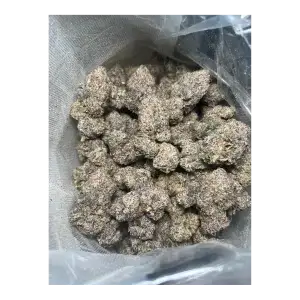
At the other end sits our living soil jar. Cereal Milk is a balanced hybrid bred by Cookies, grown here in beds of Black Swallow living soil in a small Ontario batch. Sweet milk and melted ice cream on the nose, dense nugs, heavy trichome coverage.
Cereal Milk LSO
The Cereal Milk strain grown in Black Swallow living soil: a Cookies-bred hybrid with a sweet milk and ice cream nose and dense, trichome-heavy nugs. Potent, balanced, loud.
Which rung suits you
| Characteristics | Value tier | Mid shelf | Top shelf and LSO |
|---|---|---|---|
| Best for | Daily smoking, rolling in volume | Most people, most of the time | Flavour hunting, a slow evening |
| Nug size | Smaller | Proper | Dense and large |
| Nose | Plainer | Clearly its strain | Loud and specific |
| Strain named | Rotates with the lot | Yes | Yes |
| What you give up | Character | Very little | Nothing, at a cost |
Smalls, and why they confuse people
Smalls are the little nugs from a top-shelf plant, sorted out by size rather than by quality. Same grow, same cure, same resin — smaller pieces.
They usually sell below the big-bud price from the identical plant. A bag of top-shelf smalls beats a jar of mid-shelf bud for most people, and it looks less impressive on the table.
Three things the grade will not tell you
Strength. Grade and THC track each other loosely at best. A well-grown AAA jar routinely out-tests a badly handled AAAA one.
Indica or sativa. That’s a separate axis. Every rung has both, and our night-side range cuts across all of them.
Freshness. A top-shelf jar stored badly for six months is worse than a fresh value lot. Cool, dark and airtight, always.
Storing a jar so the grade survives
Grade describes the jar the day it was packed. Storage decides what’s left of it a month later.
Light is the fastest way to ruin flower, and heat is second. A jar on a sunny shelf loses smell within weeks, and smell is most of what you paid the letters for.
Glass, closed, in a cupboard. Fridges and freezers do more harm than good — cold makes trichomes brittle and they snap off the moment you handle the bud.
How to buy without overpaying for letters
Buy the smallest amount of an unfamiliar jar first. Grade is a shop’s opinion, and opinions differ between shops.
Match the rung to the use. Rolling joints for a group all evening is a different job from opening something special on a Friday. Plenty of people keep both on the shelf and stop treating it as a ladder to climb.
Trust your own nose over the letters. The four checks above take thirty seconds and beat any label.
Getting it delivered
Toronto delivery runs about two hours, noon to 23:00 daily, last call at 23:00. Orders start at $50, delivery is free over $70, and you pay by Interac e-Transfer or cash to the driver. Every drop is 19+ with ID checked.
Browse the full flower shelf, check the areas we cover, or read our other buying guides.
FAQ
What does AAAA mean in weed?
It’s the top of the Canadian letter scale, often called quads. Dense, heavily frosted, carefully trimmed and loudly aromatic. No official body awards it — the shop grades its own stock, which is why standards move between sellers.
What is the highest grade of weed?
AAAA tops the letter scale. LSO sits alongside rather than above it, since it grades how the plant was grown rather than how the finished bud turned out. Plenty of buyers rate a good LSO jar over quads.
What does LSO mean?
Living soil organic. The plant grows in a biologically active soil bed fed by microbes and organic matter instead of a measured nutrient mix. Growers use it chasing a fuller terpene profile, and it costs time and yield to do.
Is AAAA weed worth it?
Worth it for flavour, smell and a smoother smoke. Not worth it if you’re rolling all evening and want volume, since the difference lands hardest on the first bowl of the night rather than the fourth.
How is weed graded in Canada?
By the seller, informally. There’s no regulator and no certification behind the letters. Graders read bud structure, trichome coverage, trim quality, cure and nose, then place the lot on the ladder.
Does a higher grade mean more THC?
Not reliably. Grade reports on craft, and strength follows it only loosely. A carefully grown mid-shelf jar often tests near a top-shelf one, and it smokes smoother than a rushed high grade.
What is craft weed?
Small-batch flower grown with hands-on attention rather than at industrial scale. It overlaps heavily with LSO and top-shelf lots. The term describes the operation rather than a measurable standard.
Why do some jars not name a strain?
Rotating value lots change with supply, so naming one would be wrong by the following week. We print the rung instead and keep the standard fixed, which is the honest way to sell a tier that moves.